Brand and Web Design for Interior Designers: 7 Tips
You spend your days helping clients bring their vision to life, selecting the perfect shades and creating spaces that feel both beautiful and lived-in. But when it comes to designing your own brand and website, the clarity you bring to client projects can feel frustratingly out of reach.
If you’re having trouble putting all of the puzzle pieces together, these 7 tips will guide you through brand and web design for interior designers. They’ll help you build a strategic foundation and translate it into a cohesive visual presence that attracts dream clients whose projects you can’t wait to take on.
What Is a Brand Strategy?
Your brand strategy is the foundation that supports everything visible about your business. It comes before your branding and website design. This foundation includes the strategic decisions that define who you are as an interior designer, including:
- The clients you serve
- The projects you want to take on
- Your mission and core values
- The unique perspective or approach you bring to interior design
- Your brand story
- How you position yourself in the market
- Your brand voice and tone
Once that groundwork is solid, your visual identity and website become the expression of those decisions. When both grow from the same strategic core, they reinforce each other.
The result is an intentional brand presence that attracts high-end clients.
Before I transitioned into brand and web design, I worked as a graphic designer at an interior design and architecture firm in Virginia. That experience gave me a front-row seat to what interior designers do, and it’s so much more than selecting paint colors.
Interior designers handle space planning, technical drawings, material and finish selection, lighting design (which is huge), procurement, ADA compliance for commercial projects, and collaboration with architects, engineers, and contractors. Many also hold specific education credentials and licensure that set them apart from interior decorators.
This is worth incorporating into your brand strategy because the average homeowner may not know the difference between an interior designer and an interior decorator. Taking the time to educate potential clients builds trust and highlights your expertise.
7 Brand and Web Design Tips for Interior Design Businesses
1. Align your branding with your ideal client and pricing
Your branding needs to connect with the types of clients you want to work with.
For example, if you specialize in high-end residential projects but your branding looks budget-friendly, or if you focus on modern minimalism but your visual identity feels traditional, potential clients will sense the disconnect.
This misalignment creates problems down the road.
You’ll likely attract inquiries from people who can’t afford your services or who want a completely different design style. They’ll reach out expecting something you don’t offer, and that wastes everyone’s time and creates friction.
You have 7 seconds to make a first impression with your brand. When someone lands on your website, they should be able to easily understand what kind of interior designer you are and whether your services align with what they’re looking for.
2. Invest in professional photography
As a designer for creative entrepreneurs, I always recommend investing in high-quality professional photography of your projects. Your portfolio is the main way potential clients evaluate whether your design aesthetic matches their vision, so it’s important to show it in the best light.
These images become the backbone of your website, social media presence, and marketing materials.
You should also get professional photos of yourself and your team (if you have team members). Share them on your website to build a more personal connection with potential clients. They want to know more about the people behind the designs.
3. Choose the right website builder
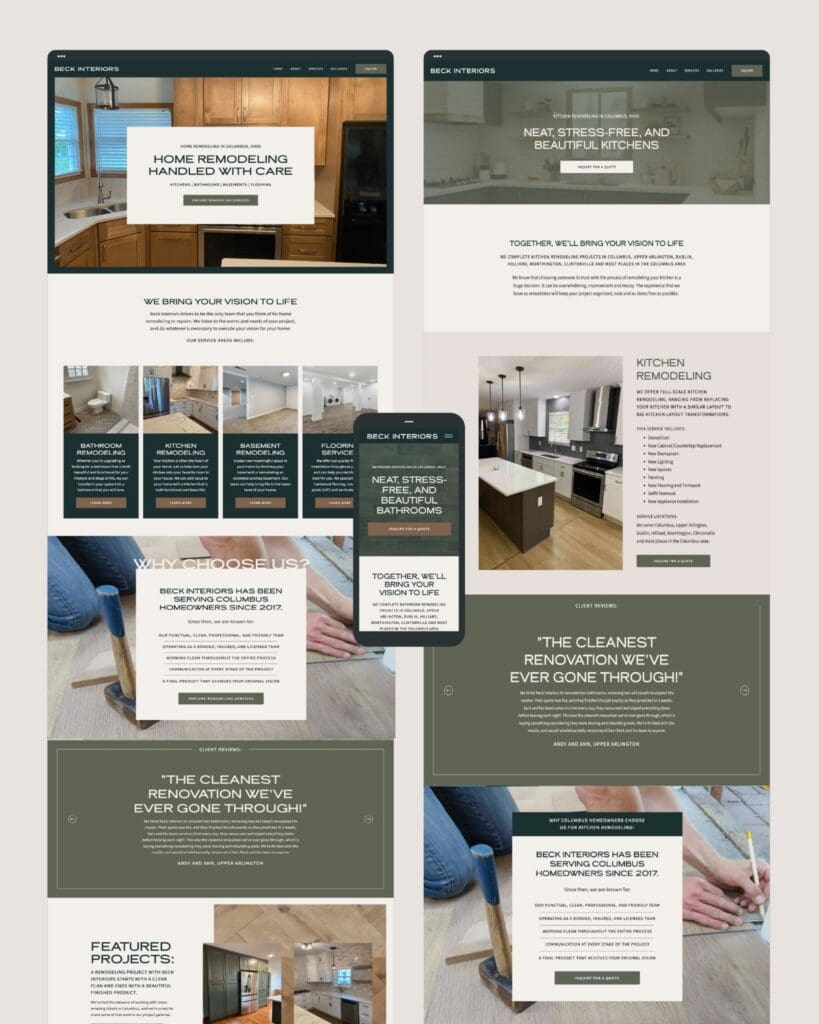
A website builder is the platform you use to create and manage your website. Each one has different features, and these features largely determine what you can (and can’t) do with your website on creative and technical levels.
For interior designers who want a visually stunning and functional website, I recommend Showit.
It’s a drag-and-drop platform for creatives and small business owners, and you have complete control over the layout and all the visual elements. This means that you can create a website that meaningfully reflects your aesthetic and feels unmistakably you.
It also integrates with WordPress for blogging, which is wonderful for SEO.
Other popular website builders for interior designers include:
- Squarespace
- Wix
- WordPress
Squarespace is quite popular with interior designers, but, in my opinion, even fully custom Squarespace websites don’t look as beautiful and custom as Showit websites. They also have fewer SEO features, especially for your blog pages.
WordPress and Wix also don’t have the best design aesthetic, and they’re much harder to use. WordPress, especially, will likely require code and multiple plugins depending on your business goals.
Take a look at these Showit website examples to see what’s possible on the platform.
4. Map out your essential website pages
Before you start designing, outline which pages your website needs and what each one should accomplish. Most interior design websites require:
- Home
- About
- Service page(s)
- Portfolio
- Contact
- Blog (if you want to start one for SEO)
You can have multiple service pages if you offer distinct ways to work with you or serve different geographic locations. This is important for both user experience and SEO.
I also recommend double-checking that your process is crystal clear on your website.
You should walk new clients through what working with you looks like from the discovery call to project completion. They should know what to expect at each stage. Make sure that you’re addressing common questions in your website copy, such as:
- How much input will I have in the process?
- What happens if construction runs behind schedule?
- Will this design work affect my home’s resale value?
- What is the pricing?
Overall, your goal is to make your website as clear as possible.
When visitors can easily find answers and understand what you offer, they’re more likely to reach out, and the inquiries you receive will be better aligned with the work you want to do.
5. Organize your portfolio
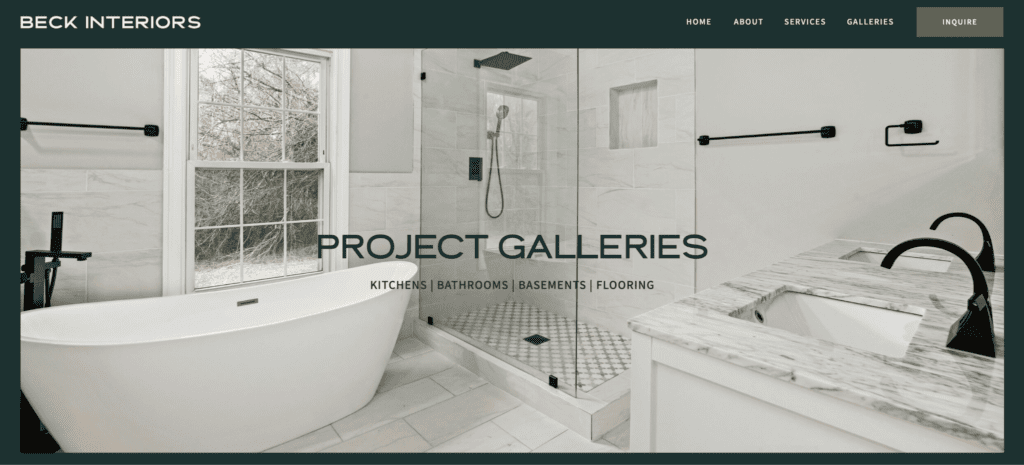
Don’t just lump all your projects together in one long gallery. Your portfolio page is a great opportunity to tell a story about your brand and unique approach.
You could organize your portfolio by room type, design style, or project scope.
The right structure ultimately depends on the type of client and work you want to attract. For example, if you work across multiple styles, organizing by aesthetic makes it easier for visitors to see whether your design sensibility matches theirs.
6. Position yourself as a thought leader
Share your design philosophy in a way that positions you as a thought leader in your niche. This could mean so many different things, such as:
- Your perspective on blending modern and historic elements
- How you approach color and lighting
- How you maximize functionality in small or awkward spaces
- Your commitment to sustainable materials
- How you balance aesthetics with the practical needs of families with young children
When you communicate what drives your design decisions, you give potential clients insight into how you think and work. This builds trust and helps them understand whether your approach aligns with what they want for their own space.
Becoming a thought leader is how you go from being one of many options to the designer with a specific point of view and expertise that attracts more clients.
7. Don’t forget about SEO
I highly recommend SEO to be a part of your website strategy because most people search for interior designers in their area.
They type something along the lines of “interior designer in [city]” into Google. If your website isn’t optimized for SEO, your chances of coming up in search results are lower.
“Optimizing for SEO” can sound technical and mysterious.
But it comes down to researching the right keywords and incorporating them naturally into your website copy, page titles, image descriptions, and blog content.
There are also important technical aspects to consider, such as making sure that your website loads quickly and works well on mobile devices.
That said, SEO optimization is a skill, and most interior designers would benefit from working with a website designer and an SEO copywriter for the best results.
As a Showit designer, I include SEO optimization into my website design services, and I also provide a customized website copywriting workbook that guides you on what to write and where, or I can recommend SEO copywriters.
FAQs
What’s the best website builder for interior designers?
I recommend Showit for interior designers because it gives you complete creative control and ways to showcase your portfolio beautifully. Showit is also one of the best platforms for SEO, especially if you’re thinking about starting a blog, because it integrates with WordPress.
Other popular options include Squarespace, WordPress, and Wix. But in my opinion, they’re not as visually stunning as Showit. You’ll also likely need multiple plugins for WordPress, which complicates things from a technical standpoint.
Should I include pricing on my interior design website?
Yes, being transparent about your pricing helps filter out clients who can’t afford your services and attracts those who can. This leads to better-qualified inquiries. You can share your exact rates, starting prices, or investment ranges—as long as it gives your prospective clients a good idea of what to expect in terms of investment, that should cover it.
Can I use a website template, or do I need a custom design?
Both can be good options.
There are beautiful, well-designed templates available that provide a solid starting point, especially if you’re working with a limited budget. That said, I recommend having a professional designer customize your template. They can tailor the layout and optimize everything from a technical point of view. It’s usually not the best idea to DIY.
For bespoke and thoughtfully crafted website design, building a custom site is naturally the better fit. I typically recommend this to established interior designers who want to fully elevate their online presence.
Earthy Branding and Custom Website Design for the Interior Design Industry
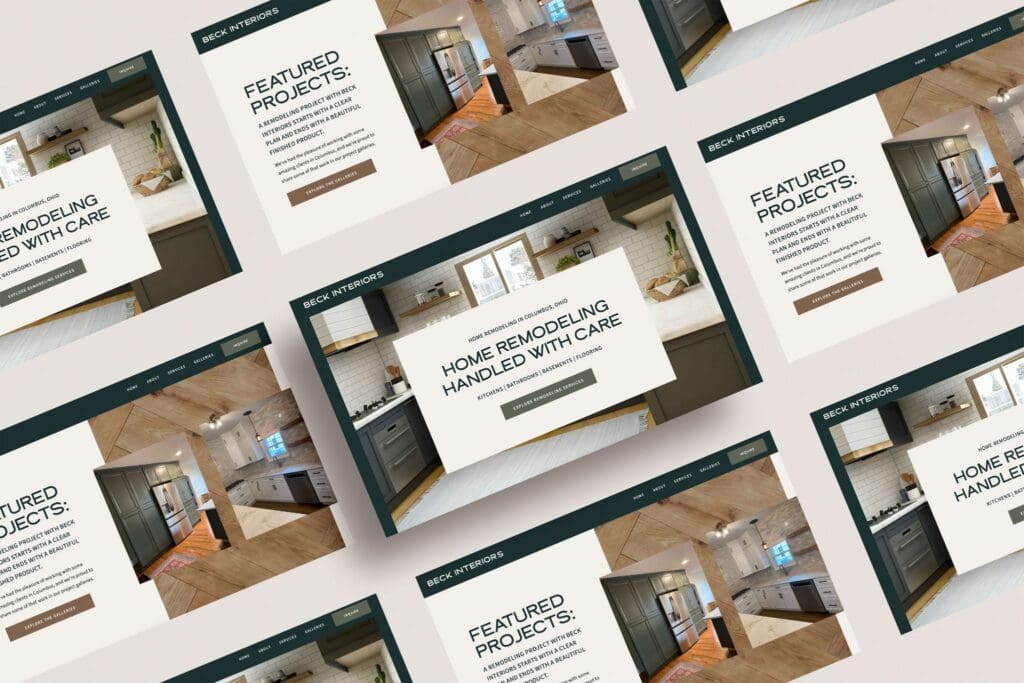
I specialize in brand identity and website design for creative entrepreneurs, including interior designers, who want a sophisticated, grounded, and earthy visual presence that attracts high-end clients.
My process starts with strategy to help you define what sets you apart and how you want potential clients to experience your brand. From there, I create custom branding and a Showit website to help you authentically stand out from competitors and book more dream projects.
If you want to build a beautiful brand and website rooted in thoughtful strategy, learn more about my design services or book a call to meet!


